Female Fertility Treatments
Ovulation Induction & Medication
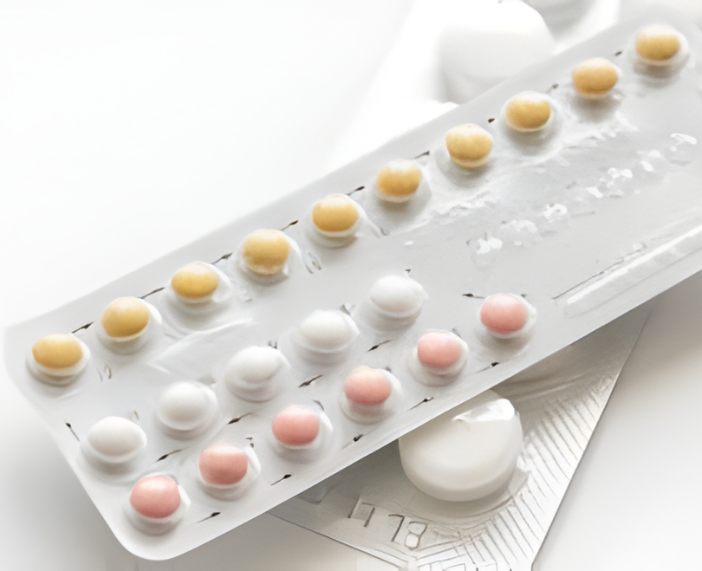
Ovulation induction uses medications to stimulate the ovaries to release eggs. It is helpful for women who do not ovulate regularly. This treatment increases the chances of conception. It is often the first step in fertility treatment.
- Stimulates egg release
- Uses hormonal medications
- Monitors follicle growth
- Improves ovulation timing
- Non-invasive treatment
- First-line fertility option
Intrauterine Insemination (IUI)
IUI is a simple procedure where sperm is directly placed into the uterus. It increases the chances of fertilization by bringing sperm closer to the egg. It is less invasive and cost-effective. Often used in mild infertility cases.
- Direct sperm placement
- Simple and quick procedure
- Less invasive method
- Cost-effective treatment
- Improves fertilization chances
- Used in mild infertility
In Vitro Fertilization (IVF)
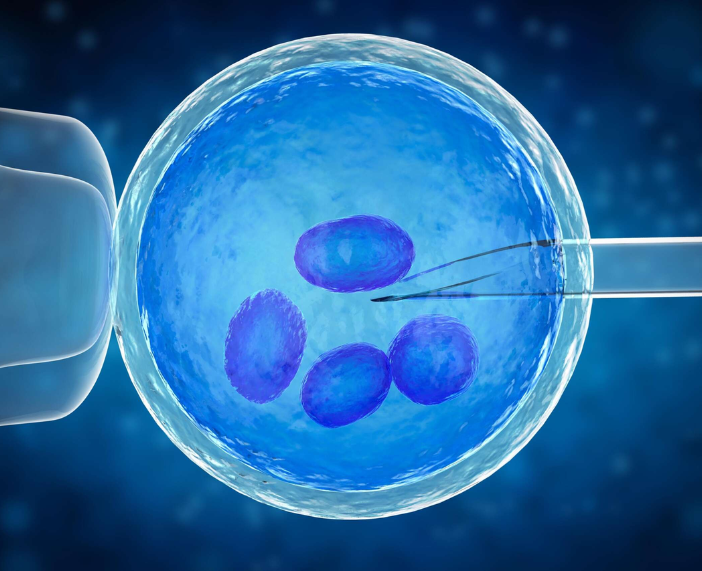
IVF is a process where eggs and sperm are combined outside the body in a lab. The fertilized embryo is then transferred into the uterus. It is widely used for various infertility issues. IVF offers high success rates.
- Fertilization outside the body
- Embryo transfer to uterus
- Advanced fertility technique
- Suitable for many conditions
- Higher success rates
- Controlled lab process
Intracytoplasmic Sperm Injection (ICSI)
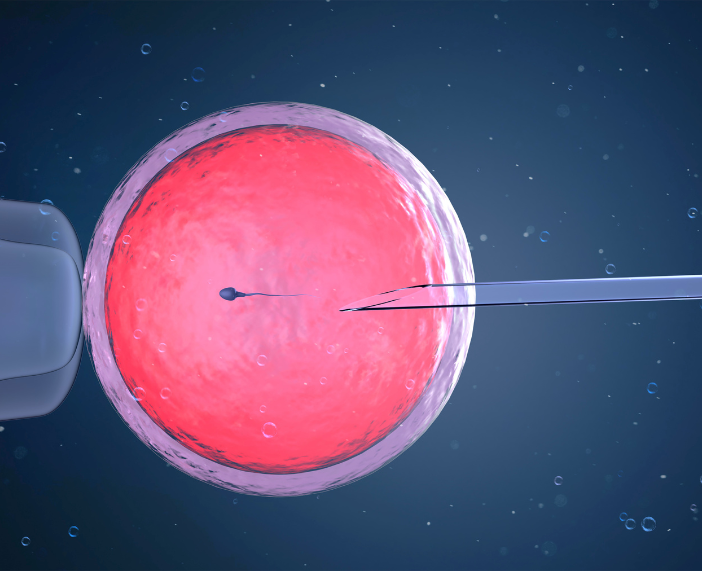
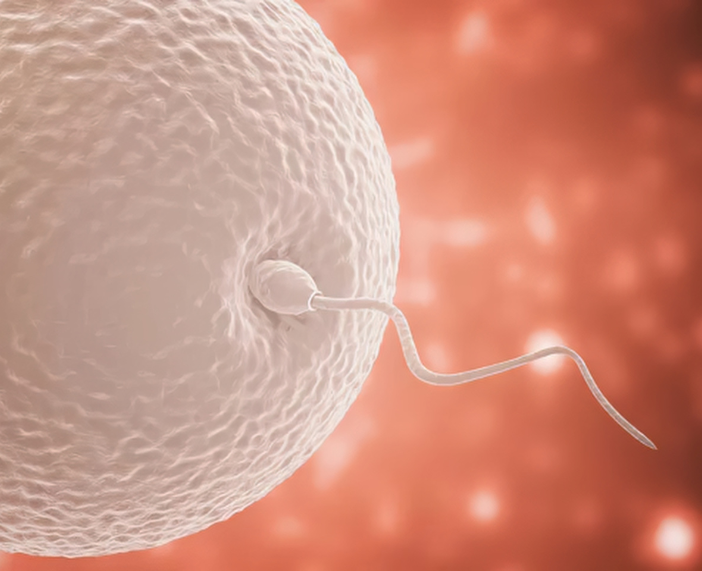
ICSI is a specialized IVF technique where a single sperm is injected directly into an egg. It is mainly used for severe male infertility. This increases the chances of fertilization. It requires advanced lab expertise.
- Single sperm injection
- Used in male infertility
- Part of IVF procedure
- High fertilization success
- Requires lab precision
- Advanced technique
Embryo Transfer
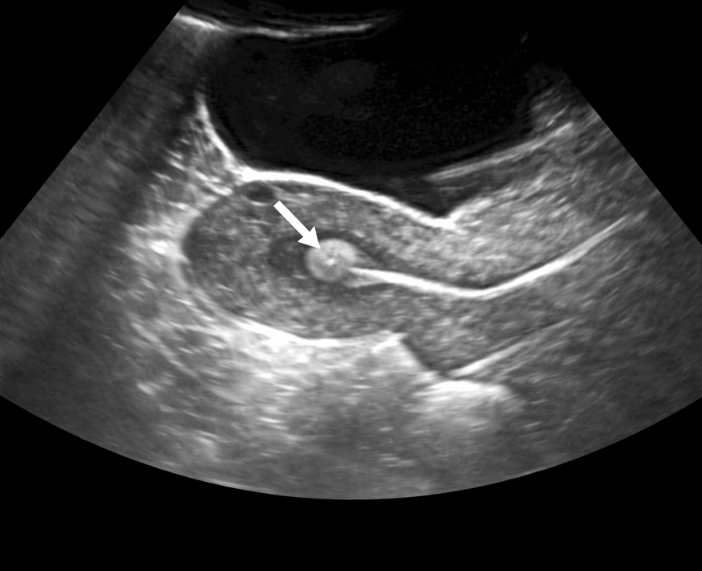
Embryo transfer is the final step of IVF where embryos are placed into the uterus. It is a simple and painless procedure. The goal is to achieve implantation and pregnancy. Timing is crucial for success.
- Transfers embryo to uterus
- Quick and painless process
- Key IVF step
- Requires proper timing
- Supports implantation
- Done under guidance
Donor Services
Donor services involve using donor sperm, eggs, or embryos for fertility treatment. It is helpful when patients cannot use their own gametes. This provides an alternative path to parenthood. Donors are carefully screened.
- Uses donor sperm or eggs
- Helps in complex cases
- Safe and regulated process
- Donor screening required
- Improves success chances
- Alternative fertility option
Embryo Freezing
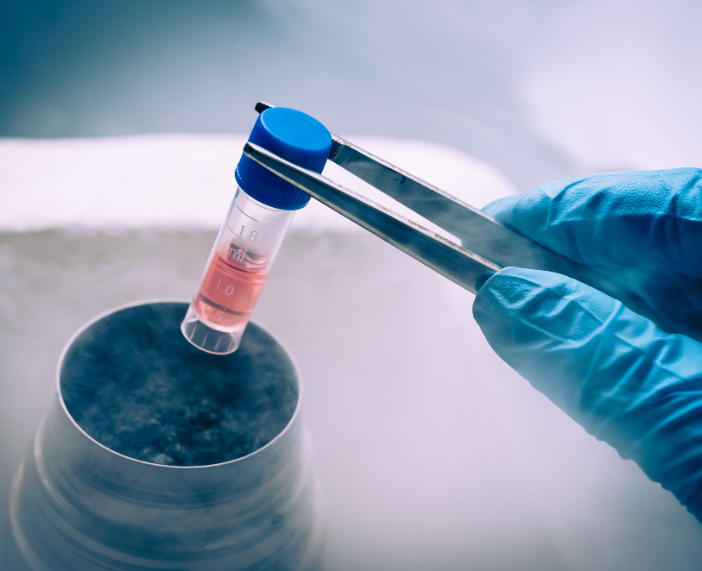
Embryo freezing is a process of preserving embryos for future use. It allows patients to store embryos for later pregnancy attempts. This increases flexibility in treatment planning. Frozen embryos can be used in future cycles.
- Preserves embryos safely
- Used for future cycles
- Increases flexibility
- High survival rates
- Reduces repeated cycles
- Long-term storage option
Oocyte Cryopreservation
Oocyte cryopreservation is the freezing of eggs for future use. It is ideal for women who want to delay pregnancy. The eggs are stored safely and used later. This helps preserve fertility potential.
- Freezes unfertilized eggs
- Preserves fertility
- Ideal for delayed pregnancy
- Safe storage method
- Used in IVF later
- Maintains egg quality