Fertility Surgical Procedures
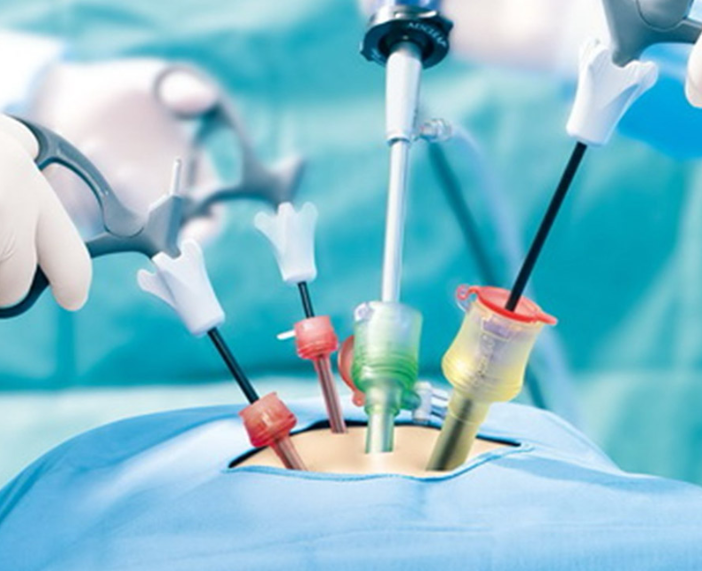
Laparoscopy
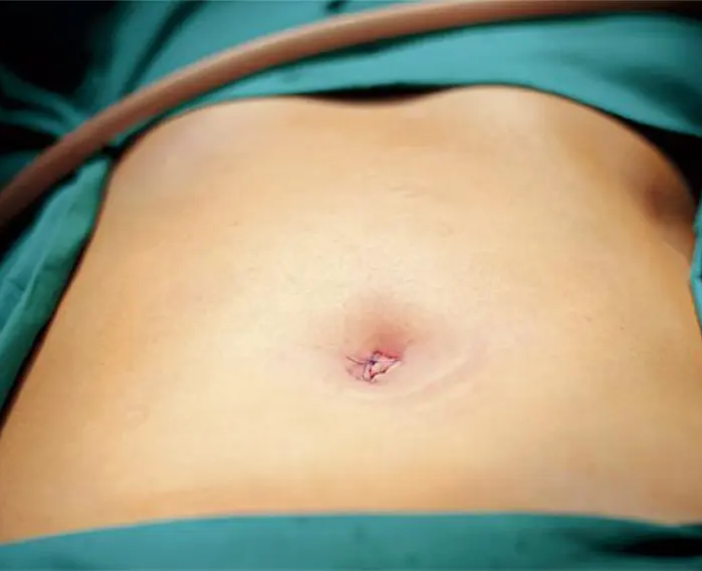
Laparoscopy is a minimally invasive surgical procedure used to examine and treat reproductive organs. A small camera is inserted through tiny incisions in the abdomen. It helps diagnose and treat infertility issues. Recovery is faster compared to open surgery.
- Minimally invasive surgery
- Uses small incisions
- Helps diagnose infertility
- Treats pelvic conditions
- Faster recovery time
- Less post-surgery pain
Hysteroscopy
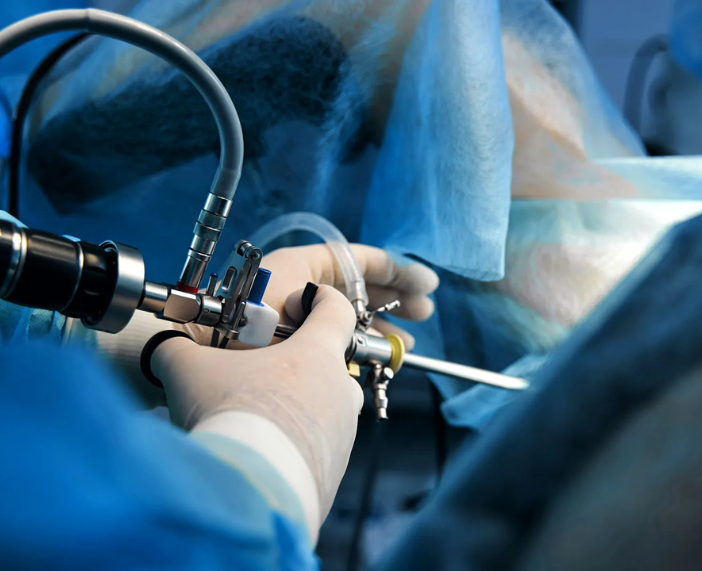
Hysteroscopy is a procedure used to examine the inside of the uterus. A thin scope is inserted through the cervix without cuts. It helps detect abnormalities like polyps or fibroids. It is both diagnostic and therapeutic.
- Examines uterine cavity
- No external incision
- Detects abnormalities
- Removes polyps/fibroids
- Quick procedure
- mproves fertility outcomes
Tubal Surgery
Tubal surgery is performed to repair or unblock fallopian tubes. It helps restore natural fertility in women. This procedure is useful in cases of tubal blockage or damage. It can improve chances of natural conception.
- Repairs fallopian tubes
- Removes blockages
- Restores fertility
- Improves conception chances
- Surgical procedure
- Alternative to IVF
Ovarian Drilling
Ovarian drilling is a laparoscopic procedure used to treat PCOS. Small holes are made in the ovary to restore ovulation. It helps balance hormones and improve fertility. It is usually done when medications fail.
- Treats PCOS condition
- Stimulates ovulation
- Balances hormones
- Minimally invasive
- Alternative to medication
- Improves fertility chances
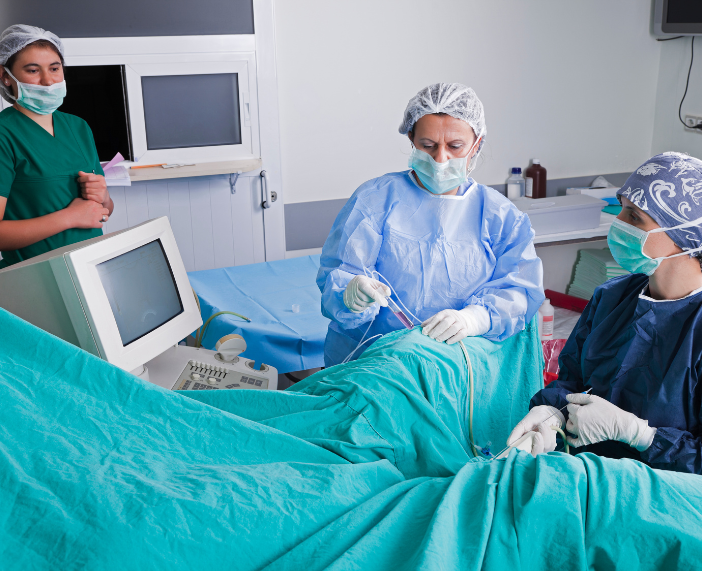
Myomectomy
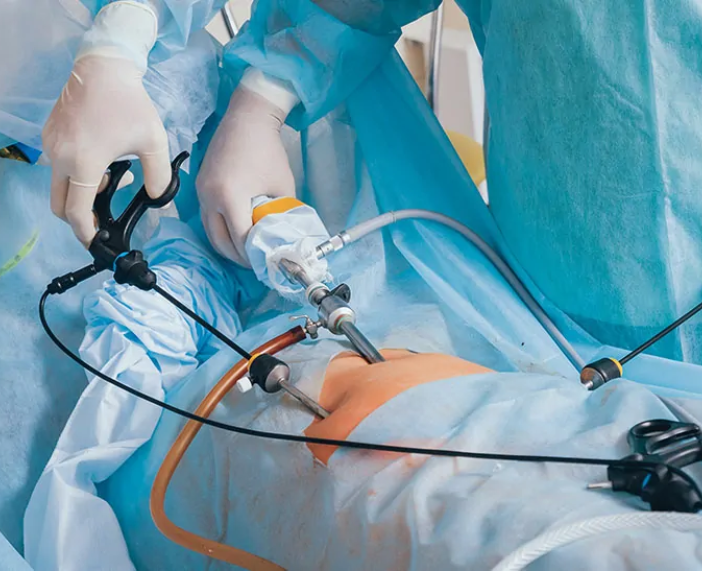
Myomectomy is a surgical procedure to remove fibroids from the uterus. It helps relieve symptoms and improve fertility. The uterus is preserved, allowing future pregnancy. It can be done using different surgical methods.
- Removes uterine fibroids
- Preserves uterus
- Improves fertility
- Reduces symptoms
- Can be minimally invasive
- Supports future pregnancy